

The villa construction process in Dubai: plot to handover in eight stages
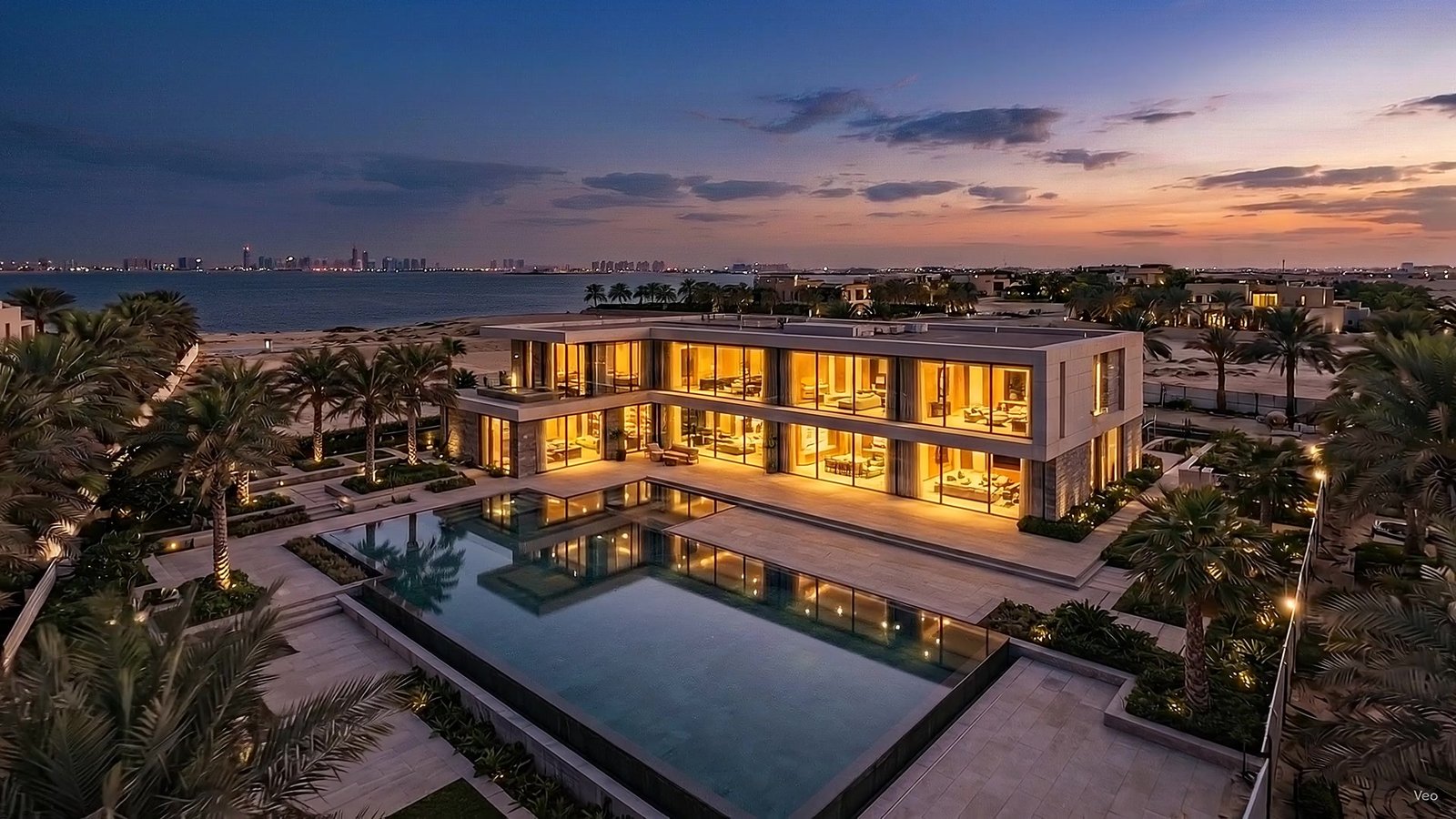
Most people building a villa in Dubai are doing it for the first time, and the process looks more confusing from outside than it is. There are eight stages. Each has one clear owner and one clear output. If you know what should exist at the end of each stage, you can tell at any moment whether your project is on track.
1. The plot and its rules
Everything starts with what your plot allows. The site plan sets the plot boundaries, and the planning rules for the area set the limits: how much you may build, how high, and how far from each boundary. In a master-planned community the developer adds its own design guidelines on top. Get these documents before you brief a designer - a concept that ignores the setbacks is a drawing you will pay for twice.
2. Consultant and concept design
You appoint an engineering consultant registered to work in Dubai. They turn your brief into a concept: room layout, floor areas, the look of the elevations. This is the cheapest moment in the whole project to change your mind, so use it. Walk through the plan room by room and argue about it now.
3. Detailed design and the building permit
The concept becomes a full drawing set - architectural, structural and MEP (electrical, plumbing, air conditioning). For most plots, the building permit is issued by Dubai Municipality through its Build in Dubai platform, and the application is submitted by your registered consultant or contractor, not by you personally. In developer communities you will usually need the developer's no-objection certificate as well. Other zones have their own authority, so confirm which one governs your plot.
4. Tender and contractor appointment
With approved drawings and a written specification, contractors can price the same building. This is the stage that decides how many arguments you have later. We covered the questions worth asking in choosing a villa contractor, and the money side in our villa construction cost guide.
5. Mobilisation and substructure
The site is fenced, set out and excavated. Foundations, ground beams and the ground slab go in, along with below-ground waterproofing and the first drainage runs. It is slow, muddy and unphotogenic - and it is the part of the villa you can never get back to.
6. Structure
Columns, slabs and stairs rise floor by floor. This is the stage that looks fastest, which is why owners often relax here. Keep attending site: slab openings and structural levels fixed now decide where your services and ceilings can go.
7. Envelope, services and first fix
Blockwork closes the building, then plaster, roof waterproofing, windows, and the first fix of electrical conduits, pipework and AC ducting. Most of this work disappears behind finishes, so it is where inspection matters most - see quality you can't see.
8. Finishes, inspections and handover
Flooring, joinery, sanitaryware, paint, external works and landscaping. Then testing and commissioning, authority inspections, the completion certificate and permanent utility connections. Only after that is the villa truly yours to move into.
Where owners lose time
- Late selections. Tiles, sanitaryware and kitchens have lead times. A choice made late holds up every trade behind it.
- Design changes after the permit. A change on site can mean revised drawings and a revised approval, not just a variation price.
- Unclear scope. If nobody priced the boundary wall, it still has to be built - by someone, at some price, at the worst possible moment.
For how long each stage usually takes, read how long it really takes to build a villa in Dubai. If you have a plot and want to talk through the stages for your own project, get in touch.
Frequently asked questions
Who applies for the villa building permit in Dubai?
The application is submitted by a registered consultant or contractor rather than by the owner directly. For most plots it goes to Dubai Municipality through the Build in Dubai platform; some zones and developer communities have their own authority or additional no-objection certificates.
Can I change the design after construction has started?
Yes, but it costs more the later you do it. Changes after the permit can need revised drawings and a revised approval as well as a variation price, and they can delay trades that were ready to start.
When should I appoint the contractor?
After the drawings and specification are settled. Contractors asked to price incomplete documents each make different assumptions, so the quotes cannot be compared and the gaps come back later as variations.
What is the last step before I can move in?
Testing and commissioning, authority inspections, the completion certificate and permanent utility connections. Handover should follow these, together with a snagging inspection and the handover documents.
Keep reading
Turnkey or build-only? Choosing the right way to build your villa
Turnkey, design-and-build or build-only: what each villa contract route covers in Dubai, who carries the risk, and how to pick the one that fits you.
Read →
Before you sign: a villa construction contract checklist for Dubai
Scope, payment stages, variations, delays, defects and the ten-year structural liability: what to check in a Dubai villa construction contract.
Read →
Building for Dubai's climate: waterproofing, insulation and AC done properly
Heat, humidity and rare but heavy rain: how waterproofing, insulation and air conditioning should be built into a Dubai villa, and how to check them.
Read →