

Building for Dubai's climate: waterproofing, insulation and AC done properly
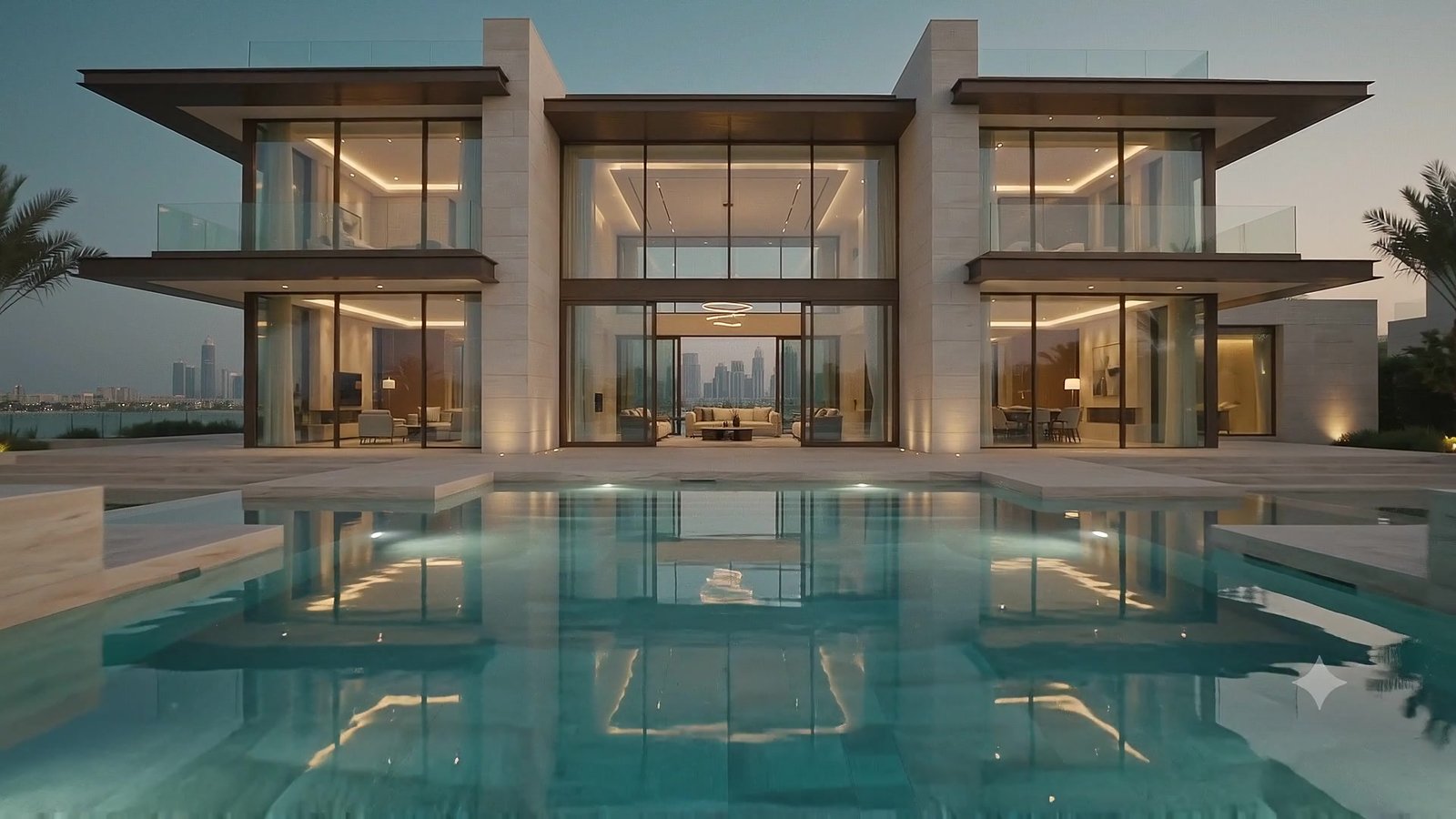
A villa in Dubai fights three things for its whole life: heat, humidity and water. The water comes from two directions - rare, heavy rain from above, and the bathrooms, kitchens, pools and planters you put inside. None of the defences are visible in the finished house. All of them are cheap to do properly during construction and expensive to repair afterwards.
Roof waterproofing
A flat roof is a shallow tray, so it needs three things: a slope that actually moves water to the outlets, a continuous waterproofing membrane turned up at every wall and upstand, and protection so sun and foot traffic do not destroy the membrane. Most leaks are not in the open field of the roof. They are at junctions: parapets, drain outlets, pipe penetrations and the bases of AC units.
The check is simple and worth insisting on: a flood test. The roof is ponded with water for a set period and the ceiling below is inspected before any insulation, screed or tile covers the membrane. Ask for the photographs.
Wet areas
Every bathroom, laundry and balcony needs waterproofing under the tile, turned up the walls and sealed around each pipe. Shower areas need it higher. Each wet area should be flood tested on its own before tiling. A leaking bathroom on the first floor usually announces itself on the ceiling of your living room.
Below ground and around water
Foundations, basements, lift pits, water tanks, pools and planter boxes are all permanently in contact with water or damp soil. They need tanking suited to that exposure, and it has to be inspected before backfilling - once the soil goes back, access is gone for good.
Insulation and glazing
For most of the year the outside of your villa is much hotter than the inside. Roof insulation does the most work, because the roof takes the sun all day. Insulated external walls and good glazing do the rest. Dubai's building regulations set minimum thermal performance for new buildings, so the baseline is not optional - but orientation, shading and glass area are design choices that decide your electricity bill for decades. Large west-facing glass looks wonderful in a render and works very hard against you at four in the afternoon.
Air conditioning
AC is the largest single consumer of power in a Dubai home, so it deserves a proper design rather than a rule of thumb.
- Sizing. Oversized units cool quickly, switch off, and leave the air clammy. Undersized units never catch up. Load should be calculated room by room.
- Ducts. Leaky or uninsulated ducts cool the ceiling void instead of the room and drip condensation.
- Drainage. Every indoor unit makes water. Condensate pipes need a real slope and a proper discharge point - a blocked drain is the most common cause of ceiling stains.
- Fresh air. A sealed, cooled house needs controlled ventilation, or humidity and smells build up.
- Access. Filters and valves must be reachable. If servicing a unit needs a ceiling cut open, it will not be serviced.
What to ask your contractor
- Which waterproofing system is used in each location, and what warranty comes with it?
- Will every roof and wet area be flood tested, and will I get the records?
- Who inspects waterproofing before it is covered?
- How was the AC load calculated?
- Where are the access panels?
This is exactly the kind of work we mean by quality you can't see. If you want to know how we handle it on our sites, ask us - or look at the finished results in the gallery.
Frequently asked questions
How is roof waterproofing tested on a villa?
By a flood test: the roof is ponded with water for a set period and the ceiling below is inspected for damp before the membrane is covered by insulation, screed or tiles. Ask for dated photographs of the test.
Where do villa roofs usually leak?
At junctions rather than in the open roof area: parapet walls, drain outlets, pipe penetrations and the bases of AC units. These are the details to inspect before the waterproofing is covered.
Why does a new villa feel humid even with the AC on?
Often because the AC is oversized. It cools the room quickly and switches off before it has removed enough moisture. Poor fresh-air design and leaking ducts can cause the same problem.
Which part of the villa matters most for insulation in Dubai?
The roof, because it is exposed to the sun all day. External walls and glazing come next, and the amount and direction of glass has a large effect on cooling cost.
Keep reading
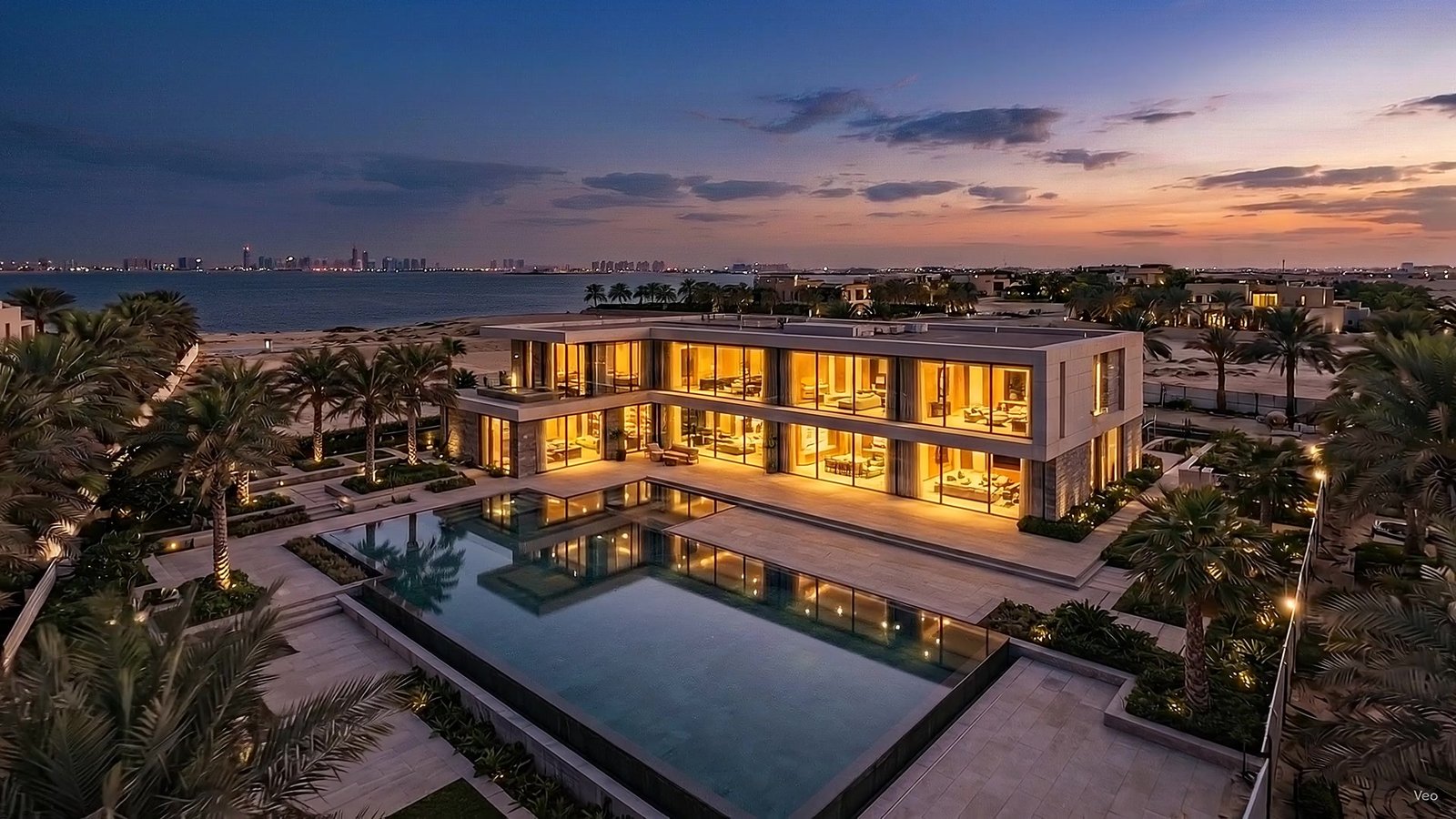
The villa construction process in Dubai: plot to handover in eight stages
From site plan to completion certificate: the eight stages of building a villa in Dubai, who does what at each one, and where owners lose time.
Read →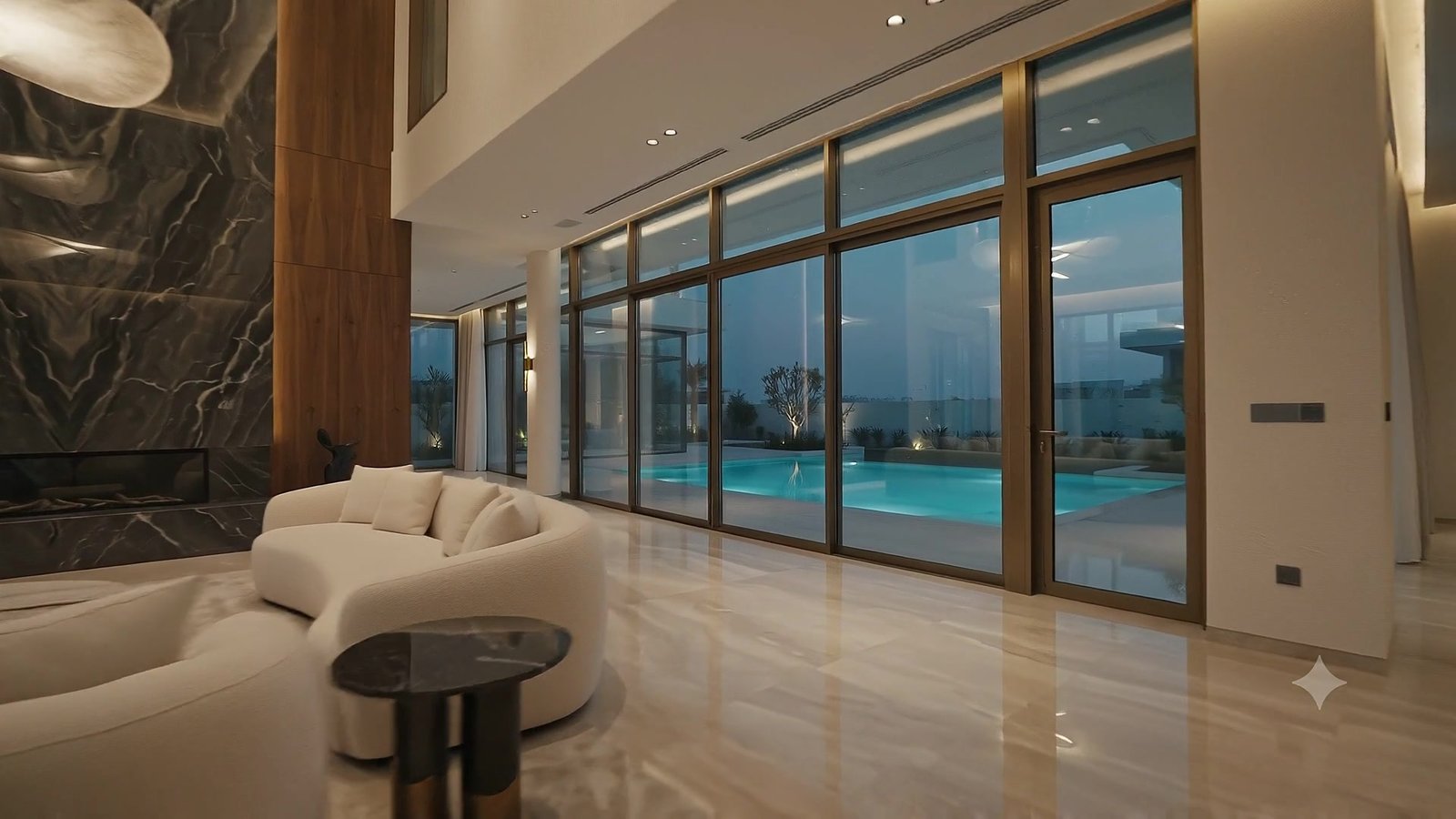
Turnkey or build-only? Choosing the right way to build your villa
Turnkey, design-and-build or build-only: what each villa contract route covers in Dubai, who carries the risk, and how to pick the one that fits you.
Read →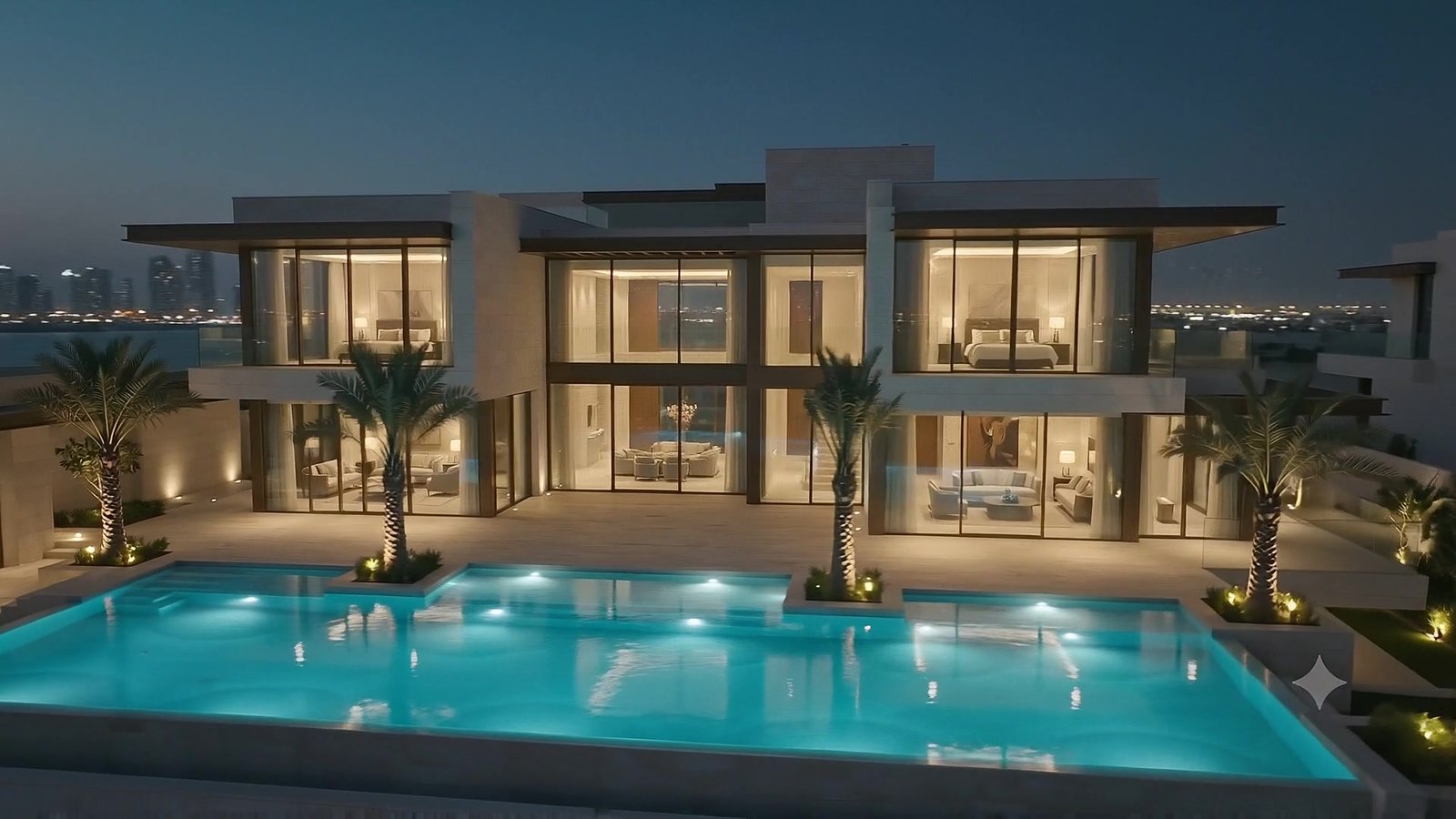
Before you sign: a villa construction contract checklist for Dubai
Scope, payment stages, variations, delays, defects and the ten-year structural liability: what to check in a Dubai villa construction contract.
Read →